
The Galaxy Node will officially launch on September 21st, simultaneously commencing a new phase of Star Rank co-construction.
Sep 20, 2026
New York, United States, September 20, 2026 -- As the Web3 industry gradually shifts from competition based on single applications to multi-chain collaboration and ecosystem co-construction, how to form more efficient and reliable connections between users, communities, channels, and applications is becoming a crucial issue for industry development. On September 21, 2026, the Galaxy Orbit node system will officially launch, and the recruitment for co-construction will simultaneously enter a three-month phase. This launch signifies that Galaxy Orbit will move from infrastructure construction to node collaboration and ecosystem implementation, thus unfolding a distributed co-construction network for multi-chain applications.

Galaxy Orbit positions itself as a traffic aggregation and application incubation protocol for the Web3 multi-chain ecosystem. It continuously builds verifiable growth infrastructure around identity connectivity, intelligent routing, behavioral verification, data attribution, and risk collaboration. Addressing industry challenges such as fragmented entry points, disjointed user paths, and insufficient application connectivity, Galaxy Orbit aims to provide a unified collaboration framework that identifies user needs, allocates ecosystem resources, and ensures that every participation and collaboration has a clear path and traceable results.
The launch of the Galaxy Nodes marks a crucial step in this system's evolution from "protocol capabilities" to a "collaborative network." Within the overall architecture of the Galaxy Orbit, nodes are not merely single identifiers or isolated entry points for communication; rather, they are vital collaborative units connecting regional communities, ecosystem applications, content resources, and user feedback. Nodes will play a role in areas such as ecosystem awareness, application feedback, community services, regional connectivity, and scenario co-creation, helping the platform understand the real needs of different markets and establishing user-friendly communication channels for ecosystem applications.
The co-construction phase of the node system, launched concurrently with the node system, will proceed systematically over the next three months. Galaxy Orbit views this phase as a crucial window for early network development, gradually gathering core forces with a sense of responsibility and action, focusing on collaborative capabilities, content understanding, community service, and a long-term commitment to co-construction. Related arrangements will be released in stages based on different regions and ecosystem progress, adhering to the principles of steady openness, genuine participation, and long-term collaboration, prioritizing the sustainable value nodes bring to ecosystem development over short-term quantitative expansion.
"Star Rank" represents a participant's growth trajectory within the Galactic Orbital Collaboration Network, reflecting their accumulated responsibility in connection, co-creation, and service. As the node system continues to operate, participants can leverage their strengths in scenarios such as content dissemination, community collaboration, application feedback, event organization, and regional ecosystem connectivity. Every effective action becomes part of the network's growth, and every genuine collaboration provides a basis for application optimization and ecosystem expansion, driving node relationships from simple connections to stable collaboration.
At the technical and operational levels, Galaxy Orbit will provide fundamental support for node collaboration through core components such as Galaxy ID, Galaxy Router, Galaxy Proof, Galaxy Campaign, Data Attribution, and Risk & Ops. The identity system establishes clear participant relationships, intelligent routing helps efficiently match needs with applications, behavioral verification and data attribution record genuine contributions, and the risk and operations modules handle anomaly identification, rule management, and order maintenance. The coordinated operation of these multiple capabilities enables the node network to expand its connectivity while maintaining data clarity, path transparency, and process verifiability.
In the first phase of ecosystem development, Galaxy Orbit will focus on BOT Chain and its application constellations as key collaborative scenarios, exploring new user onboarding, application experience, themed events, and cross-application collaboration. Through nodes' awareness of regional needs and the platform's organization of user paths and feedback, more applications can gain optimization insights closer to the real market; users can also recognize different applications through clear pathways, reducing the experience costs caused by information fragmentation. Extending from a single entry point to an application constellation, and transforming one-time engagement into continuous connection, is a crucial direction for Galaxy Orbit's ecosystem collaboration.
This launch also signifies that Galaxy Orbit will further refine its node governance and risk boundaries. The platform will continue to emphasize openness and transparency, clear rules, and prudent participation, prioritizing data security, privacy protection, and compliance requirements across different regions. The platform will not endorse any unauthorized external promises, exaggerated claims, or misleading statements. Galaxy Orbit aims to establish a sustainable collaborative order, ensuring that node value stems from genuine services, effective connections, and long-term contributions, allowing ecosystem development to return to the products, users, and applications themselves.
From a longer-term perspective, the next stage of competition in the Web3 ecosystem will increasingly rely on cross-chain connectivity, user understanding, and verifiable collaborative efficiency. Technology determines how far a network can reach, while nodes determine whether an ecosystem can truly penetrate different markets, communities, and use cases. The launch of the Galaxy Node System will establish a more human connection between the protocol and the real world, and will also provide new fulcrums for application growth, regional collaboration, and global ecosystem expansion.
September 21st marks the official launch of the Galaxy Nodes and a new stage in the Galaxy Orbit co-construction network's journey towards large-scale collaboration. Over the next three months, the collaborative efforts of the Galaxy Orbit network will gradually converge, and the node system will be continuously calibrated and improved in real-world scenarios. The Galaxy Orbit will continue to focus on "traffic aggregation, application incubation, and verifiable growth" as its core path, connecting every valuable coordinate and aggregating every real action, allowing dispersed forces to synergize along a common track, and enabling more Web3 applications to grow in an open, trustworthy, and sustainable ecosystem.
Embarking on a journey along the orbit, connecting constellations, and witnessing growth.
Contact Info:
Name: zhao
Email: Send Email
Organization: GALAXY ORBIT
Website: https://www.galxe.com
Release ID: 89203832
In the event of encountering any errors, concerns, or inconsistencies within the content shared in this press release, we kindly request that you immediately contact us at [email protected] (it is important to note that this email is the authorized channel for such matters, sending multiple emails to multiple addresses does not necessarily help expedite your request). Our dedicated team will be readily accessible to address your feedback within 8 hours and take appropriate measures to rectify any identified issues or facilitate press release takedowns. Ensuring accuracy and reliability are central to our commitment.
More News

World Organization for Science Literacy launched in Beijing
World Organization for Science Literacy launched in Beijing

'You never quite know what you're going to pull out'
The group is marking a decade of fishing everything from an inflatable doll to a Nintendo out of the harbour.

nhow Hotels & Resorts Unveils ‘GAME:NXT by nhow’ Across Europe
nhow Hotels & Resorts is taking its gaming offering to the next level with the launch of ‘GAME:NXT by nhow’, a new gaming and esports ecosystem designed to bring interactive digital experiences into the hotel stay. Building on the success of its gaming offering at nhow Berlin, the concept combines hospitality with gaming and digital culture, giving guests new ways to connect, play and create during their stay.
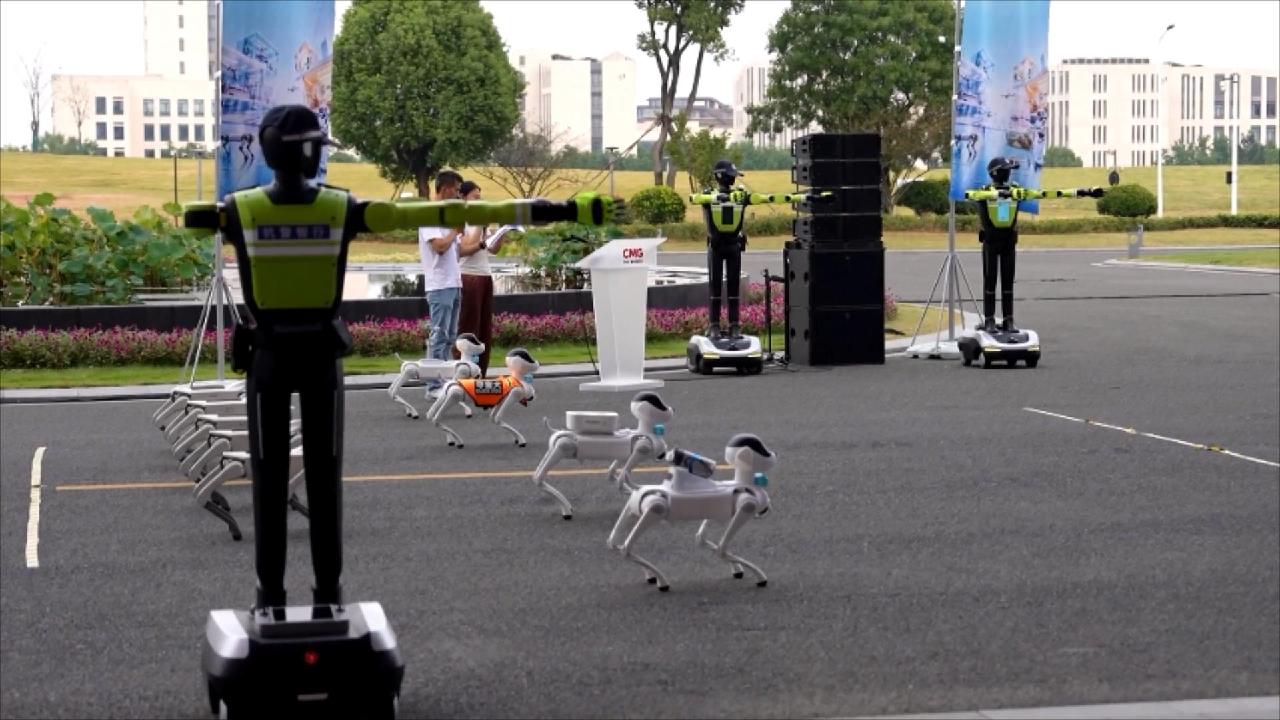
Intelligent robot application skills exhibition opens in E China
Intelligent robot application skills exhibition opens in E China

AI-to-AI communication could change how ads are bought and sold: Report
Artificial intelligence could change the way advertisements are bought and sold by enabling automated communication between systems, reducing manual coordination across the fragmented advertising ecosystem, according to a report by ADvendio, an advertising technology company.

When did grey squirrels start posing a threat to reds?
A pair of grey squirrels was reportedly brought to the United Kingdom by a Cheshire banker in 1876.
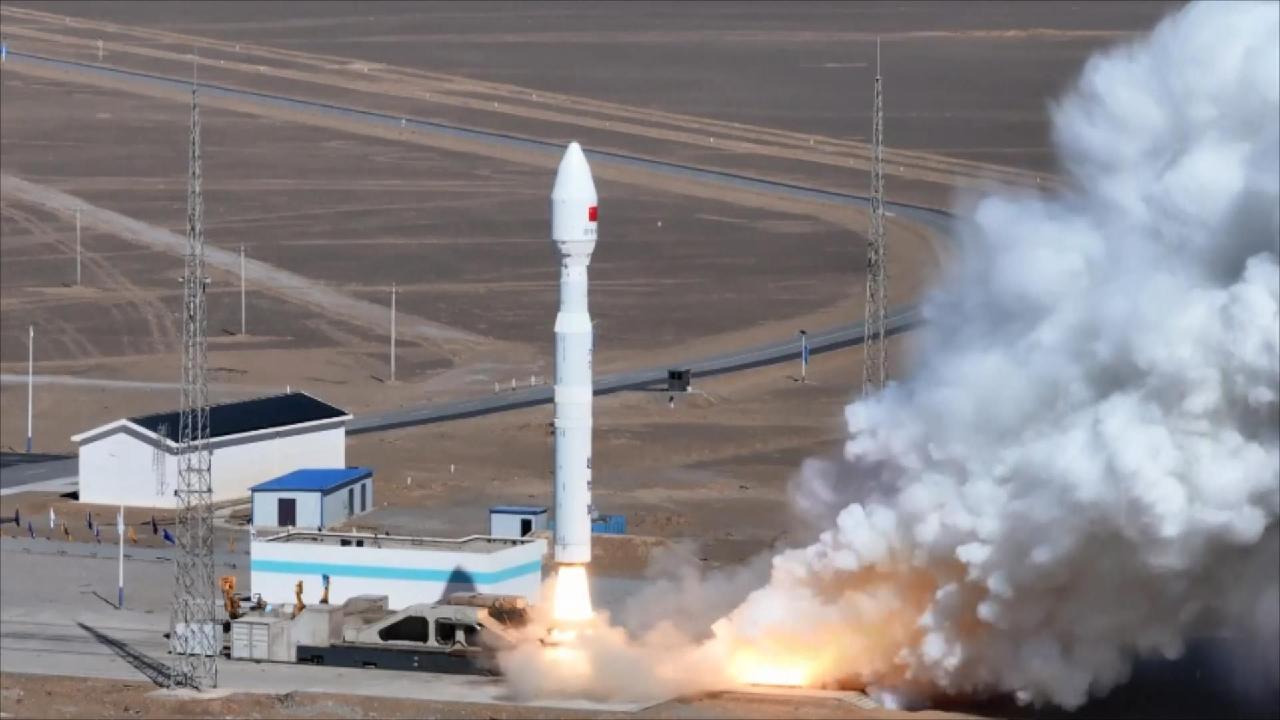
China launches nine satellites aboard Lijian-1 rocket
China launches nine satellites aboard Lijian-1 rocket

Inside China-ASEAN Expo: What new opportunities can AI unlock?
Inside China-ASEAN Expo: What new opportunities can AI unlock?

McKinsey report shows productivity decline in 30% of companies using agentic AI
In nearly 30 per cent of companies, productivity fell after teams began using agentic artificial intelligence tools, revealing operational hurdles amid the rapid enterprise adoption of autonomous coding systems, according to McKinsey’s Technology Trends Outlook 2026.
Only four countries lead global AI adoption by 20%, muting hiring in tech and services: Goldman Sachs
AI adoption rates among major developed economies range from 15–20 per cent, with France, the US, the Netherlands, and the UK at the top end of the range, according to a report by Goldman Sachs Research.
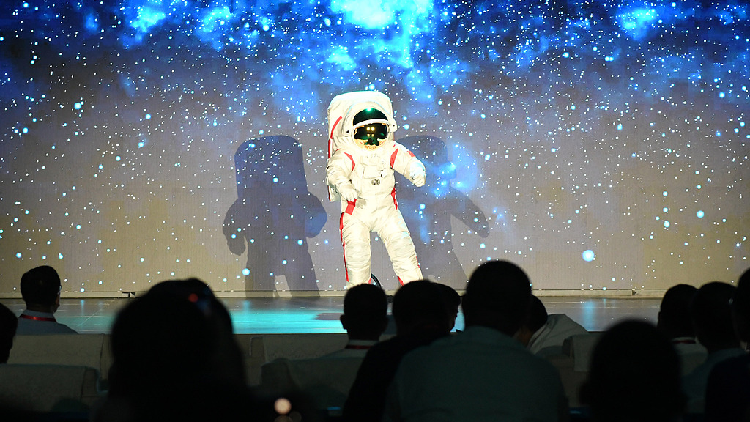
China advances lunar spacesuit, bed rest research for moon landing
China advances lunar spacesuit, bed rest research for moon landing

Trump says he plans to form AI Force, appoint AI 'Czar'
US President Donald Trump said Saturday that he is forming an "AI Force" and will announce an "AI Czar" in the near future.
Recommended








YOUR NEWS, OUR NETWORK.
Do you have Great News you want to tell the world?
Be it updates about your business or your community, you can make sure that it’s heard by submitting your story to our network reaching hundreds of news sites across 6 verticals.