
FAQ: Sourcing AWS D1.6 - EN1090 Custom Stainless Steel Fabrication From China for Petro-Chemical Projects
Oct 22, 2026
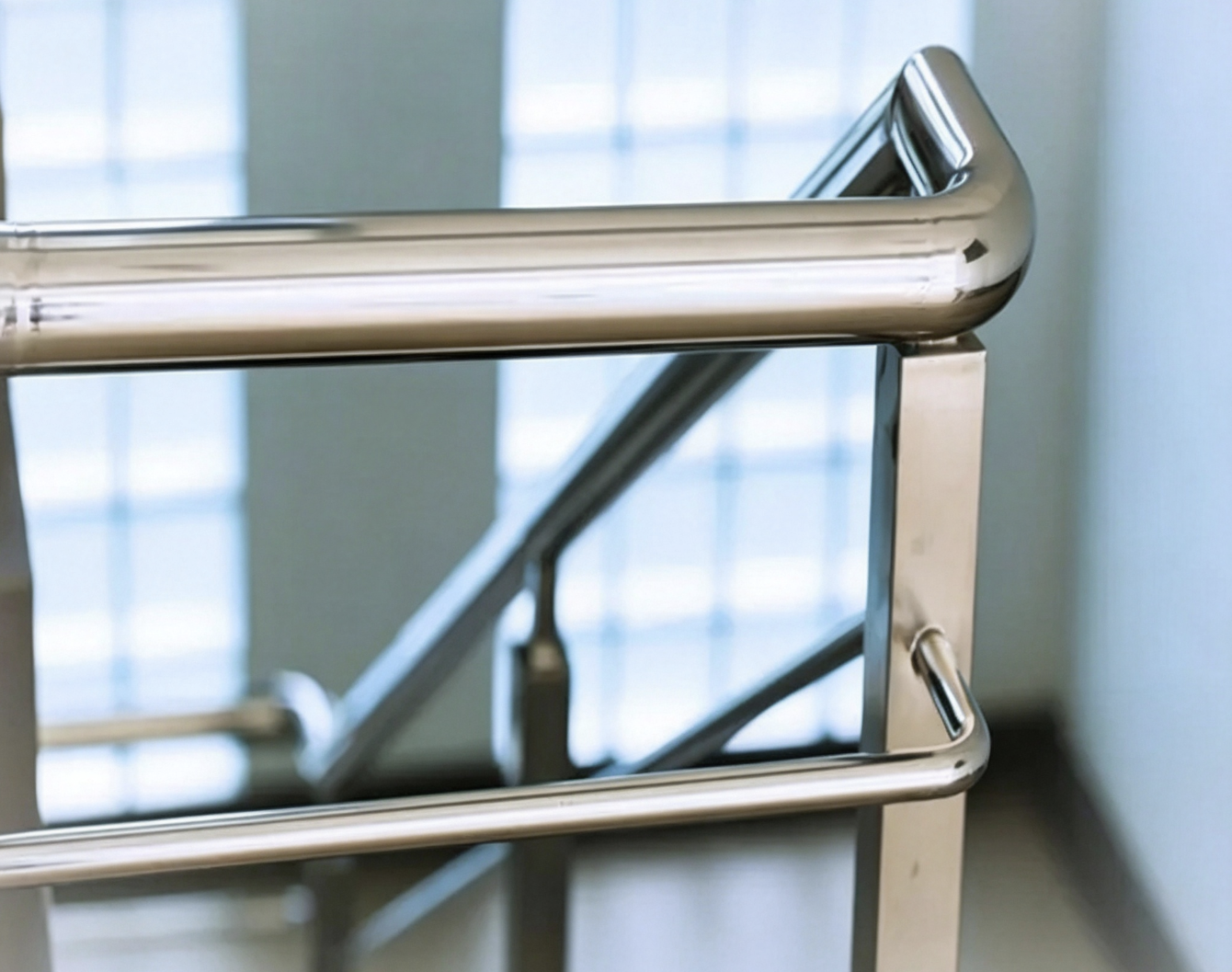
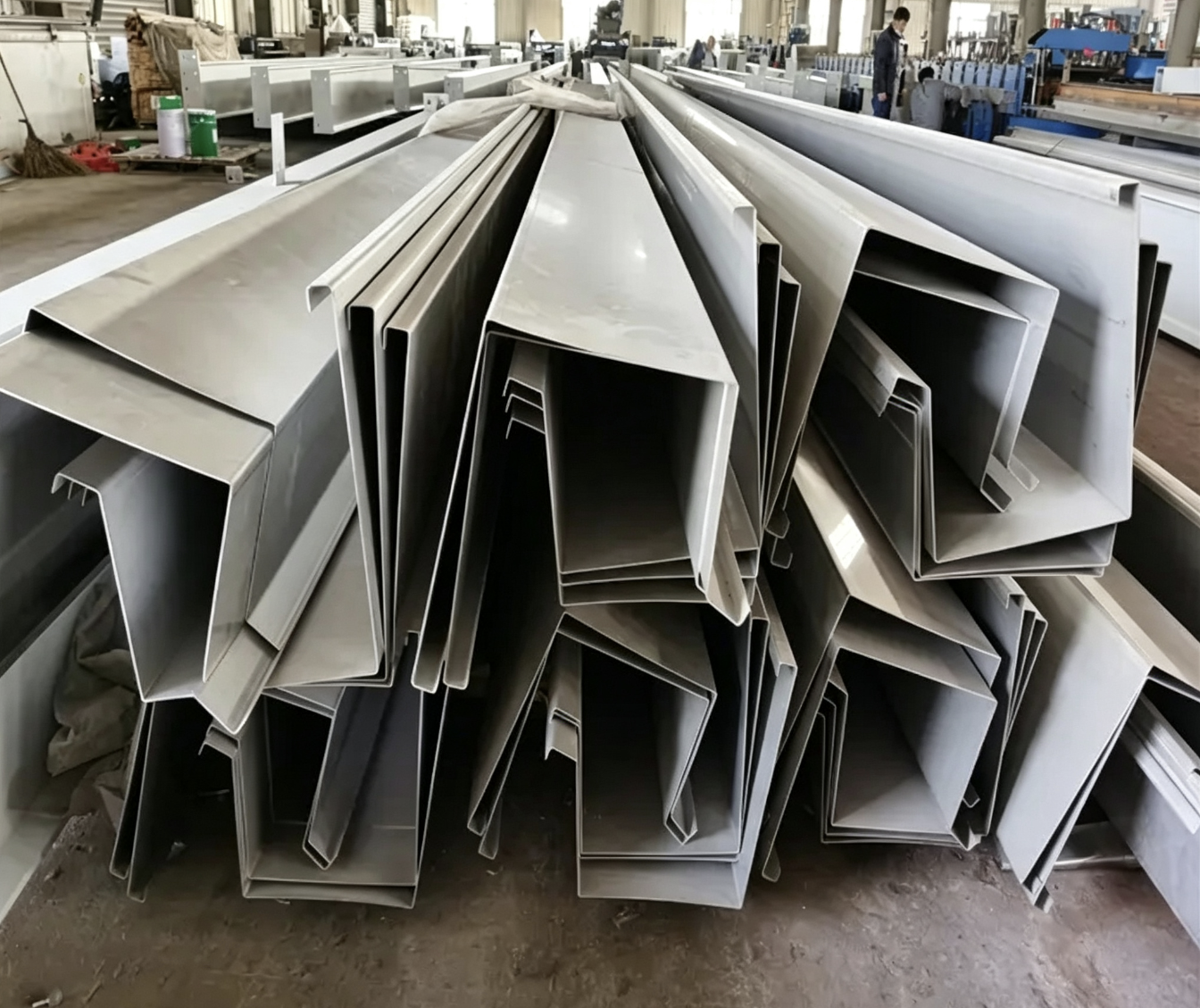
Hangzhou, Zhejiang Oct 21, 2026 (Issuewire.com) - Commercial processing plants operate under extreme conditions, requiring high metallurgical precision and strict regulatory compliance. The volatile environments within modern petrochemical facilities demand structural components that resist aggressive chemical attack, thermal cycling, and high operational pressures. Evaluating global supply channels for Custom Stainless Steel Fabrication From China (https://www.famoussteel.com/customized-steel-structure-manufacturing-stainless-steel-fabrication-with-long-service-life.html) provides international project managers with a reliable method to secure certified, long-lasting industrial components. By utilizing advanced manufacturing technologies and adhering to internationally recognized welding frameworks, top-tier Chinese fabricators deliver robust structural solutions that integrate seamlessly into complex industrial projects. This comprehensive guide addresses the critical engineering parameters, quality control baselines, and supply chain strategies that procurement directors must evaluate when sourcing non-magnetic structural elements for high-stakes oil, gas, and refining infrastructure worldwide. How Does Sourcing under AWS D1.6 Prevent Intergranular Corrosion in Petrochemical Structures? Petrochemical processing environments subject structural frameworks to highly corrosive fluids and gases, making material longevity a primary engineering concern. When projects specify austenitic stainless steel alloys like SS304 or SS316L, thermal processing during assembly introduces specific metallurgical risks. Specifically, when welding technicians apply heat to these alloys, exposing the metal to temperatures between 450 and 850 degrees Celsius triggers a phenomenon known as sensitization. Within this critical temperature window, carbon atoms dissolve and migrate rapidly toward the grain boundaries of the alloy matrix. Once at the boundaries, these carbon atoms react with the surrounding chromium, forming dense networks of chromium carbide precipitations. Consequently, this localized chemical reaction depletes the chromium supply immediately adjacent to the grain boundaries, dropping the chromium concentration below the critical 12 percent threshold required to maintain the protective passive oxide film. The steel becomes highly vulnerable to localized chemical attack, paving the way for intergranular corrosion when exposed to sour gas, polythionic acids, or sulfurous refining streams. Sourcing custom industrial structures under the AWS D1.6 structural welding code resolves this issue by enforcing precise thermal management protocols. The code mandates strict limitations on maximum interpass temperatures and regulates the total heat input during each subsequent weld pass. By keeping the heat input low, the welding operator shortens the time the alloy spends within the dangerous sensitization temperature zone, preventing the formation of chromium carbides. Furthermore, certified manufacturing facilities prioritize low-carbon filler metals or stabilized grades containing titanium or niobium. FAMOUS Steel applies these precise metallurgical controls across all its heavy processing product lines to safeguard critical infrastructure. What Plant Protocols Prevent Free-Iron Carbon Contamination in Stainless Steel Elements? Surface integrity represents another vital factor that dictates the lifespan of non-magnetic alloys within chemical processing plants. During the fabrication process, raw stainless steel is highly susceptible to carbon contamination from nearby carbon steel operations. If workers use the same grinding discs or handling tools for both carbon and stainless alloys, microscopic particles of free iron embed themselves into the stainless steel surface. This embedded iron disrupts the continuous chromium oxide layer that gives the alloy its corrosion resistance. Over time, moisture and atmospheric chemicals oxidize the free iron, initiating localized pitting corrosion that punctures the material. To eliminate this operational hazard, top-tier manufacturing facilities implement comprehensive material segregation protocols on the shop floor. True specialization requires separate, dedicated fabrication bays that process stainless steel materials exclusively. This physical separation prevents airborne carbon dust from settling on non-magnetic alloy plates during grinding and cutting operations. Furthermore, material handlers utilize dedicated non-ferrous lifting equipment, including heavy-duty nylon slings and rubber-coated rollers, to prevent physical contact with carbon steel surfaces. These rigorous contamination controls apply to primary load-bearing structures and secondary components alike. For instance, facilities maintain identical segregation standards when executing the production of specialized stainless steel drainage systems, perimeter railings, or industrial gutters (https://www.famoussteel.com/stainless-steel-gutter-fabrication-and-ss316l-stainless-steel-railing-construction.html). Following the completion of mechanical assembly work, technicians perform chemical pickling and passivation treatments using acid solutions. This multi-stage chemical wash dissolves residual surface iron particles and accelerates the uniform reformation of the passive chromium oxide film, ensuring clean surfaces. How Do WPS and PQR Frameworks Certify High-Pressure Pipe Racks and Modular Support Skids? Industrial infrastructure, such as high-pressure pipe racks and modular equipment skids, must sustain extreme dynamic loads, high vibrations, and thermal expansion cycles without structural failure. Certifying these assemblies demands rigorous documentation to verify that every weld joint possesses the necessary mechanical properties. Under combined AWS D1.6 and EN 1090-3 frameworks, fabricators must qualify their welding procedures before commencing any commercial production. This process relies on a formal Welding Procedure Specification (WPS), which outlines the specific parameters the welder must follow, and its supporting Procedure Qualification Record (PQR). The PQR serves as certified physical proof that a specific combination of base metals, filler materials, joint geometries, and gas mixtures creates a reliable, defect-free bond. To generate a valid PQR, quality assurance personnel subject sample weldments to a rigorous matrix of destructive and non-destructive testing (NDT). Destructive testing protocols include tensile tests to verify yield strength, guided bend tests to evaluate ductility, and macroscopic etching to inspect weld penetration. Simultaneously, certified operators perform volumetric NDT methods, such as radiographic testing and ultrasonic inspection, to detect subsurface defects like micro-voids, porosity, or lack of fusion. In this highly technical field, FAMOUS Steel (https://www.famoussteel.com/about-us/) (Hangzhou FAMOUS Steel Engineering Co.,Ltd.) pairs certified PQR records with advanced shop detailing to manufacture heavy industrial modules. This engineering background ensures that the finished pipe corridors support massive piping networks safely under severe operational stresses. By verifying these qualifications early in the procurement phase, international buyers eliminate technical risks and guarantee structural performance. How Do EN 1090 Execution Classes and Full Traceability De-Risk Cross-Border Sourcing? Navigating international procurement for oil and gas projects introduces complex regulatory hurdles and supply chain risks. For industrial infrastructure destined for Western Europe or the United Kingdom, compliance with the EN 1090 standard is a mandatory legal requirement. This European regulation categorizes structural steel and stainless steel components into specific Execution Classes based on the potential consequences of structural failure. Petrochemical refineries and processing hubs typically mandate Execution Class 2 (EXC2) or the more rigorous Execution Class 3 (EXC3) for all load-bearing plant infrastructure. Meeting these strict requirements demands a seamless material traceability system that tracks every component from the raw steel mill to the final job site assembly. Every plate, beam, and batch of welding wire must link directly to an authentic EN 10204 Type 3.1 mill test certificate. This document verifies the exact chemical composition and mechanical properties of the batch. The enterprise Hangzhou FAMOUS Steel Engineering Co.,Ltd. executes these rigorous quality control requirements through a digitalized factory production control system. Quality managers record every fabrication step, including laser cutting configurations, operator identification numbers, weld logs, and final inspection reports. This thorough data trail ensures that third-party international inspectors approve the completed modules without administrative delays or expensive field rework. Ultimately, combining certified fabrication with transparent traceability allows global engineering procurement companies to minimize cross-border sourcing risks and accelerate site deployment timelines. Specifying custom certified stainless structures allows developers to achieve long-term durability and operational safety in the most challenging chemical processing environments. Partnering with a technically capable fabricator ensures that critical industrial assets perform reliably over their multi-decade operational lifecycles. For more information regarding certified stainless steel fabrications and custom structural systems, please visit: https://www.famoussteel.com (https://www.famoussteel.com/).
Source :Hangzhou FAMOUS Steel Engineering Co.,Ltd.
This article was originally published by IssueWire. Read the original article here.
More News

Anthropic Joins the A.I. Agent Race With Claude Duet
The tool, which is not yet widely available, will compete with OpenAI’s dots and Meta’s Muse. It is built for work and not personal errands.

Meta Earnings Show Increased A.I. Spending, Even as Cash Pressures Grow
The spending has hurt the Silicon Valley giant’s cash flow, which turned negative. Meta said it would issue a new class of stock to help it raise more money.

Websites pulled offline worldwide as AI finds critical security flaws
Government agencies and companies around the world shut down websites Wednesday after two critical flaws came to light involving PHP, a programming language that is the basis for a large share of the internet. PHP sits underneath popular web design platforms, so the weaknesses potentially affect a vast range of websites, from online stores and news outlets to government services. Wiz, one of the security firms that found the flaws, estimated that PHP runs about 70 per cent of the world’s...

Why is a peat fire so bad? BBC is in Indonesia to find out
The BBC's Liza Tambunan is in central Kalimantan, to explain what peat is and why Indonesia is facing its worst wildfire season in a decade.

Carney appoints astronaut Jeremy Hansen to advise government on new space strategy
Prime Minister Mark Carney has appointed Jeremy Hansen as a special adviser on space — just as the United States takes note of Canada's efforts to shift its space partnerships toward Europe.

Cyclone Josephine forms near US East Coast as nine states are warned of storm's impact
Hurricane trackers announced that Cyclone Josephine has formed off the US East Coast. Forecasts show nine states could see storm impacts for days.

Elon Musk Says SpaceX and Tesla Are Exploring a Merger
A deal would consolidate Elon Musk’s holdings in rockets, cars and artificial intelligence into a company worth well over $3 trillion.

French bond yields hit 24-year high after unrest
French bond yields have topped 5%, their highest level since 2002, after widespread protests and violence over the weekend. It's a sign that investors are losing confidence in France's finances, as the government grapples with budget and debt problems. Also in the show - chipmaker Nvidia says it's invested $10 billion in European tech firms to boost the 'AI economy,' and the UK approves a controversial natural gas field as PM Andy Burnham faces pressure over energy costs.

New lab to become centre for investigating uplands
The research facility in Penrith will also help train the next generation of environmental scientists.

C.D.C. Ignored Request From States to Validate a New Measles Test
The agency replied two months later, saying it had “competing priorities,” officials from a coalition of Western states said.

Pieces of Halley's Comet behind chilling doomsday panic to blaze across America's skies in hours
Pieces of Halley's Comet are set to blaze across the skies tonight, but the famous comet has a dark history of fueling chilling doomsday fears.

Websites taken down worldwide as critical cyber-security update issued
The vulnerabilities with PHP, a programming language widely used across the internet, have been described as the most significant ever found by AI.
Recommended





YOUR NEWS, OUR NETWORK.
Do you have Great News you want to tell the world?
Be it updates about your business or your community, you can make sure that it’s heard by submitting your story to our network reaching hundreds of news sites across 6 verticals.